
By Conveyor Quotes·Published 1 March 2026·Updated 21 August 2026·8 min read
Conveyor systems move bulk materials and unit loads through mines, plants, warehouses and packaging lines across South Africa. Choosing the right type early reduces redesign cost, shortens supplier lead times and helps you compare quotations on a like-for-like basis. This guide outlines the main conveyor families used locally, when each makes sense, and what information suppliers need before they can price a solution.
Buyers often start with a vague brief such as "we need a conveyor for the crusher" or "replace the packing line." That is enough to begin a conversation, but accurate matching improves when you can name the conveyor family, approximate capacity and whether you need a complete system or components only. Use this overview as a checklist before you submit a free quote request.
Belt conveyors
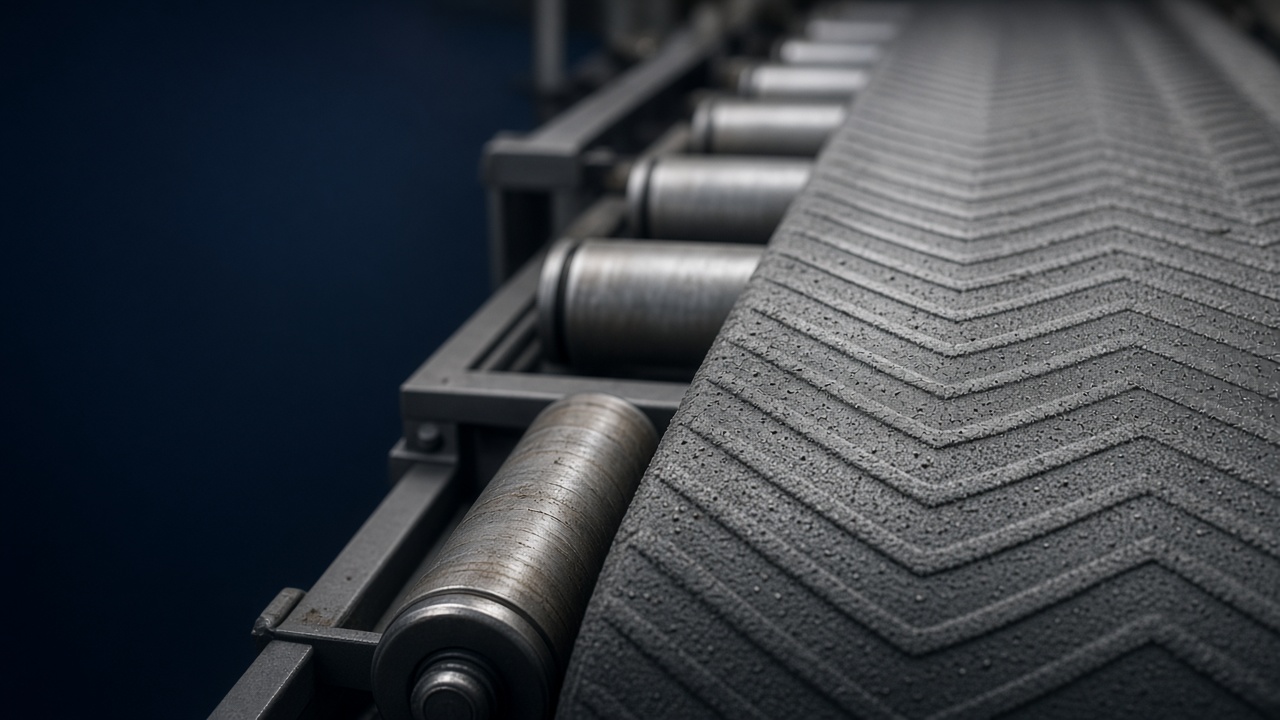
Belt conveyors are the workhorse for bulk solids — ore, coal, aggregate, grain, fertiliser and many process feeds. A continuous belt rides on idlers or a slider bed and is driven by a pulley and drive package. Variants include troughed belts for bulk containment, flat belts for packages, sidewall or cleated belts for steeper inclines, and pipe conveyors where dust containment or complex routing matters.
Key specification inputs include material characteristics (size, moisture, abrasiveness, temperature), tonnage (t/h), belt width and speed, lift, centre-to-centre length, environment (abrasive, wet, corrosive, underground) and whether the duty is continuous or intermittent. Suppliers will also ask about splice method, cover grade and carcass type. On mines and quarries, belt selection is often inseparable from chute design and transfer points — poor loading geometry can destroy an otherwise correct belt quickly.
When requesting quotes, note whether you need vulcanising crews on site, crane access limits, and whether the conveyor must run during a short shutdown window. Those constraints change labour pricing as much as the belt itself.
Roller and gravity conveyors
Roller conveyors suit cartons, totes and pallets. Gravity roller lines are simple and low energy; powered roller or lineshaft systems add control for accumulation, merges and sortation. They are common in distribution centres and packing halls rather than primary mining extraction, but often appear in plant warehouses and bagging areas alongside belt systems.
Specify package dimensions, weight, orientation, accumulation needs and any integration with scanners, weighers or palletisers. Stainless or washdown designs cost more than painted mild steel modules. If you are expanding an existing warehouse, share brand or module pitch so suppliers can match elevations and guardrails.
Screw and screw-flight conveyors
Screw conveyors meter and convey powders, sludge and granular materials in an enclosed trough or tube. They excel at controlled feed rates and compact layouts but are less ideal for very long distances or highly abrasive rock without careful wear design. Ask suppliers about flight thickness, hanger bearings, trough liners and drive torque for sticky or dense products.
Screw systems are frequently used under bins, silos and bag dump stations. If your product bridges or cakes, mention that up front — feeder geometry and shaft seals may dominate the quotation.
Chain, apron and scraper conveyors
Chain-based conveyors handle hot, abrasive or lumpy materials that would damage a conventional belt. Apron feeders and pan conveyors are typical at crushers and reclaim points. Scraper and en-masse conveyors move material in troughs using flights. These systems trade belt simplicity for robustness under harsh duty and usually carry higher capital and maintenance costs.
Provide temperature, lump size, impact loading and expected hours of operation. Chain pitch, flight material and drive redundancy are common quote differentiators between suppliers.
Specialty systems
- Bucket elevators for vertical lift of free-flowing materials where floor space is limited
- Vibratory conveyors for gentle handling or screening integration
- Pneumatic conveying for fine powders over flexible routes
- Overland and tripper systems for long-distance mine stockpiling and stacking
Specialty systems often require more engineering before a firm price is possible. It is still valuable to collect preliminary quotations so you can compare approaches — for example, overland belt versus trucking, or elevator versus steep sidewall belt.
How to prepare a better RFQ
List the material, capacity, duty cycle, layout constraints, power availability, and whether you need a complete turnkey system or components only (belt, idlers, pulleys, structure, drives, cleaners, instrumentation). Photos and sketch layouts dramatically improve quote quality. If you are comparing options, request both capital cost and expected maintenance considerations.
On Conveyor Quotes you can tick multiple categories in one submission. That means a belting specialist and a turnkey OEM can both receive the same brief without you rewriting emails. Include suburb or plant location so travel and logistics are considered.
FAQ
Which conveyor is cheapest?
Short gravity roller lines are often the lowest capital cost for unit loads. For bulk solids, a simple troughed belt is usually more economical than specialty chain or pipe conveyors — but abrasive or steep applications may justify higher upfront cost to reduce downtime. Always compare life-cycle cost, not only purchase price.
Can one supplier quote everything?
Some members offer turnkey projects; others specialise in belting, vulcanising or components. Selecting multiple categories on the quote form ensures the right mix of specialists receives your request.
Do I need drawings before requesting quotes?
Not always. A clear description, capacity and photos are enough for preliminary quotations. Detailed fabrication drawings become important once you shortlist suppliers or move to turnkey engineering.
Related reading
Product pages: belting, turnkey projects, idlers.
Resources: Conveyor systems in South Africa, How to request a quote.