
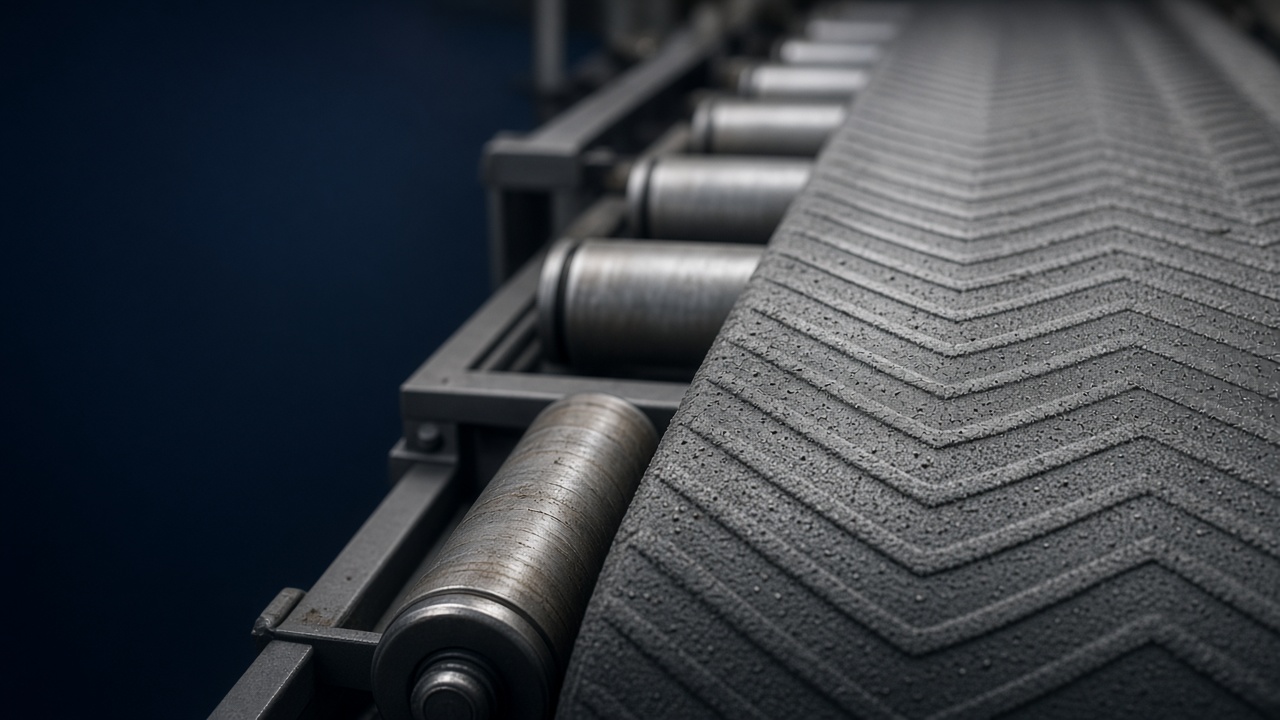
Conveyor structure is the steelwork that carries idlers, pulleys, walkways, hoods and drives — stringers, trestles, portals, galleries and modular frames. In South African plants it ranges from light channel stringers on short feeders to heavy truss galleries spanning roads and rail.
Part of the Conveyor Knowledge Centre. Research the duty first, then request a quote when you are ready to brief suppliers.
Structure design must handle belt tension reactions, wind, seismic considerations where required, maintenance access and future expansion. Fabrication quality, corrosion protection — galvanising versus paint — and bolted versus welded joints affect both life and how easily sections can be replaced during shutdowns. Many sites inherit mixed generations of structure; upgrades often include walkway compliance, kick plates, pulley frames and drive towers rather than a full greenfield gallery.
Civil interface is where structural jobs stall: bases that do not exist, holding-down bolts that do not match, or a steel scope that assumes a slab another contractor has not poured. Provide length, belt width, approximate height, ground conditions and whether you need design responsibility or fabrication-to-drawing. Photos and general arrangements dramatically improve quote quality. Note any existing survey grid or plant north reference so new steel lands true to the belts it must support.
Brownfield night shifts, crane reach limits and live conveyors beside the work change erection methodology more than the tonnage of steel alone. If the structure must carry hoods, cable racking or dust ducting, list those loads — otherwise fabricators price bare stringers and extras appear as variations after award. Walkway compliance, handrails and kick plates are part of whether crews can inspect the belt safely, not an architectural afterthought.
Common applications
Structure is ordered for new conveyors, extensions to reach new stockpiles, replacement of corroded or overloaded frames, and safety upgrades to walkways and handrails. Plants also buy modular stringer sections to standardise spares. Temporary structure sometimes supports bypass conveyors during major outages.
- Stringer and idler frame replacement — Restore geometry after years of corrosion or impact. A few millimetres of twist per bay accumulate into tracking problems that training idlers will not permanently cure.
- Gallery and trestle projects — Elevated conveyors over plant roads and rail, with wind design, access and lifting methodology as part of the brief rather than a site surprise.
- Drive and take-up towers — Stiff support for high belt tension. These frames are part of the drive and pulley interface, not generic stringer work.
- Walkway and access upgrades — Safer inspection routes, kick plates and handrails so maintenance crews can service idlers and cleaners without improvising on rusty steel.
Industries that use this equipment
Mining houses and quarries commission the largest structural packages. Cement, power stations and ports run long galleries that need wind design and reliable access. Process plants and warehouses use shorter structures but still require guarding and load-rated supports for drives and take-ups.
Coastal corrosion and Highveld UV both punish coatings; specify environment clearly so galvanising versus paint is a decision, not a default. Underground structure faces transport constraints and different support methods. Fabricators with mine project experience understand drawing approvals, inspection and test plans, and site installation sequencing under permit-to-work systems. Smaller industrial sites may prefer modular bolted kits that local boilermakers can modify without waiting on a full project design office.
Specifications buyers should consider
The list below is a briefing checklist, not a datasheet. Exact ratings, dimensions and standards must come from the duty, existing plant records and the supplier quotation — do not treat generic web copy as a specification.
- Scope: design-and-supply versus fabrication-to-drawing, including who owns idler frames, pulley frames and drive towers.
- Length, belt width, height and route — spanning roads, rail or plant equipment if applicable.
- Stringer, trestle and gallery construction, bolted versus welded joints, and whether sections must be replaceable in a shutdown.
- Corrosion protection: galvanising versus paint systems, called out for coastal or Highveld UV exposure.
- Walkway compliance: width, handrails, kick plates and access to pulleys, take-ups and cleaners.
- Civil interface: existing bases, holding-down bolts, survey grid and who pours or modifies foundations.
- Additional loads: hoods, cable racking, dust ducting, lighting — listed so they are not variations.
- Erection constraints: brownfield night shifts, crane reach, live adjacent conveyors, and underground transport size.
Factors that affect selection
- Design responsibility versus cutting steel to an owner drawing — quotes are not comparable if one bidder is the engineer of record.
- Galvanising versus paint for the actual environment, including how damaged coatings will be repaired after erection.
- Modular bolted stringers for spares and brownfield replacement versus welded galleries for long spans.
- Walkway and access rules on the site; non-compliant steel that crews cannot use is a safety and maintenance failure.
- Civil readiness: structure that arrives before bases exist sits in a laydown and then does not fit.
- Live-plant erection: night work and permit-to-work sequencing often cost more than the steel tonnage.
Common problems and failure considerations
- Misaligned or twisted stringers that mistrack the belt and wear idler edges no matter how often training frames are adjusted.
- Corroded walkways and missing kick plates that create incident risk and stop honest inspection.
- Galvanising or paint specified for the wrong environment, then failing at connections and walkway treads.
- Interface gaps between steel and civil scopes — bolts, pockets and survey that do not match on the day.
- Bare-stringer quotes that omit hoods, cable rack and dust duct loads, then explode in variations.
- Brownfield erection planned as if the plant were empty, ignoring night-shift and crane limits.
Maintenance considerations
- Inspect walkways, handrails and kick plates as part of conveyor safety, not only when steel is being replaced.
- Watch stringer geometry: impact, corrosion and settlement show up as tracking long before a member looks “failed”.
- Repair coatings at connections after erection; Highveld UV and coastal air attack damaged edges first.
- Keep drainage and spillage off steel — buried stringers corrode and hide idler frames that should be changed.
- Photograph bent frames and corrosion so suppliers can distinguish repair patches from full bay replacement.
- When idlers or pulleys are replaced, check that the supporting steel still holds geometry; new rollers on twisted frames repeat the tracking complaint.
Questions buyers should ask suppliers
- Are you pricing design responsibility or fabrication to our drawings?
- What coating system — galvanising or paint — are you offering for our coastal or Highveld exposure?
- Does the quote include walkways, handrails and kick plates to the access standard we stated?
- How have you treated the civil interface and existing holding-down bolts?
- What erection method do you assume for brownfield night work or crane limits?
- Are hoods, cable racking and dust duct loads included, or are those extras?
What to include when requesting a quote
Clear briefs produce comparable quotations. Include what you know, and mark estimates separately from measured values. Photos and drawings help more than extra adjectives.
- Length, belt width, height and whether the route crosses roads, rail or live plant.
- Design-versus-fabrication-to-drawing, plus any owner specification or preferred steel grade.
- Photos and general arrangements; survey grid or plant north if new steel must land true.
- Coating preference (galvanising versus paint) and environment (coastal, Highveld UV, underground).
- Walkway and access requirements, including inspection routes to pulleys and take-ups.
- Civil status: bases existing or by others, bolt patterns, geotech notes if known.
- Extra loads: hoods, cables, dust ducting.
- Live-plant constraints: night shifts only, crane reach, adjacent running conveyors, permit-to-work expectations.
Related conveyor information
Related components: idlers, pulleys, chutes, turnkey projects, drives.
Guides: How Much Does a Conveyor Cost?, Types of Conveyor Systems.
Resources: Conveyor system cost guide, Conveyor systems in South Africa.
Frequently asked questions
Should we galvanise conveyor structure or paint it?
Both appear on South African plants. Coastal humidity and Highveld UV punish coatings in different ways. Galvanising is often favoured where long life and damage at edges matter; paint systems can suit specific colour, patch-repair or owner standards. State the environment and how you will repair after erection rather than treating coating as a commodity extra.
Why does the civil interface belong on a steel quote?
Stringers and trestles only sit where bases, bolts and survey allow. If civils are another contract, say so and share bolt patterns. Interface gaps are a frequent cause of delay: steel arrives, the slab is wrong, and the belt cannot be aligned.
What makes brownfield conveyor structure different from a greenfield gallery?
Night shifts, crane reach, running adjacent belts and mine or plant permit-to-work rules change how steel is split, lifted and bolted. Those constraints often outweigh tonnage in the price. A quote that assumes an empty site will not survive the first shutdown meeting.
Do walkways have to be in the structure package?
If crews must inspect idlers, cleaners and pulleys, access steel is part of whether the conveyor is maintainable. Omitting walkways, kick plates and handrails produces a cheaper tonne of steel that operations cannot use safely. State the compliance expectation in the brief.