
“Pushbacks” is not one standard catalogue machine in the way a drive pulley or a pull key is. On South African conveyor plants the word is used in more than one way. It often means impact or push-back idler frames at the loading point — supports that take a blow or yield so the belt and structure are not punched through. Some people also use it around take-up or other assemblies. This page does not invent a fake product. It tells you how to describe the assembly you actually have so suppliers can quote steel, idlers or take-up parts instead of guessing.
Part of the Conveyor Knowledge Centre. Research the duty first, then request a quote when you are ready to brief suppliers.
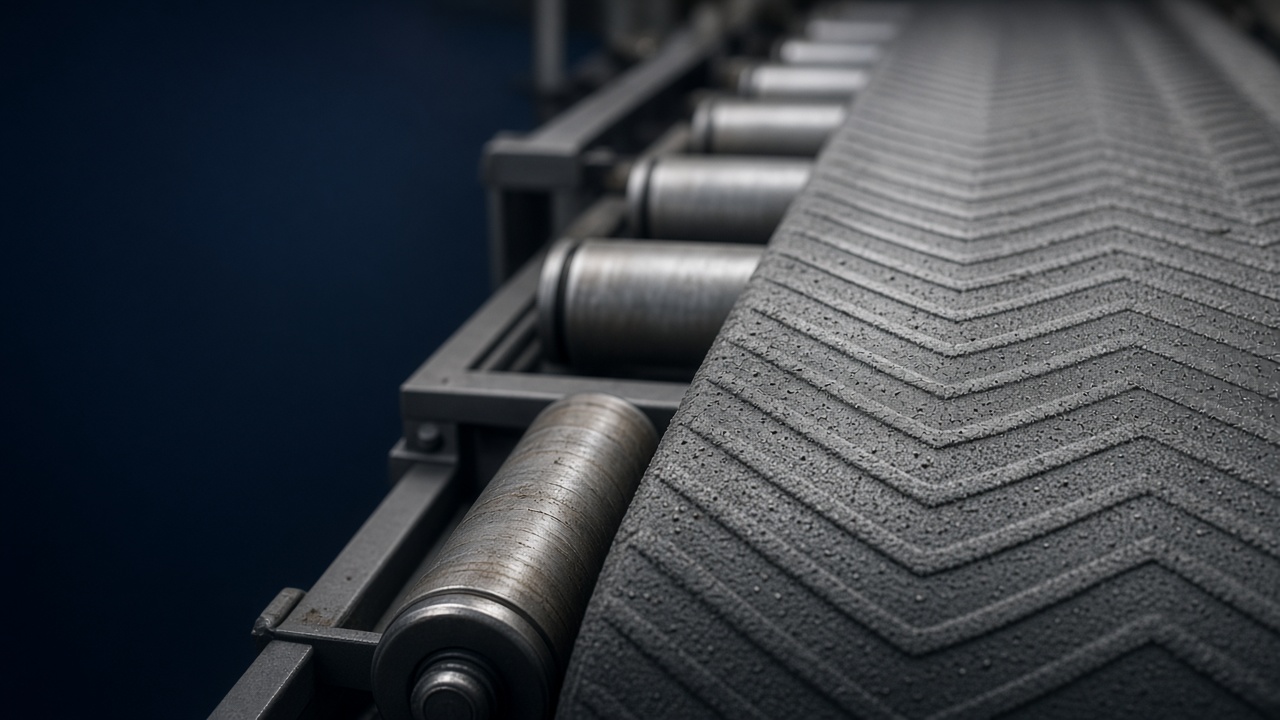
At loading points, heavy lump ore or crusher discharge can slam the belt between idlers. Plants then fit closely spaced impact idlers, impact beds, or frames that are built to absorb or limit that punch — sometimes called push-back frames because the belt and rollers are allowed a controlled movement rather than a rigid hit. That work sits next to Idlers and Chutes. If that is what you mean, say “loading-point impact / push-back frames” and photograph the zone.
Elsewhere on a plant, “pushback” may be informal language for a take-up related frame, a stop, or a structure someone once labelled that way on a drawing. The honest briefing is: attach the drawing number, photo the assembly, and describe what it does (supports the belt under impact, limits travel, is part of take-up, or you are not sure). Suppliers who fabricate structure and idler frames can identify it. A paragraph that pretends there is a single OEM “pushback unit” with a secret rating would be fiction.
Do not use this category as a substitute for Idlers if you simply need troughing or impact rollers, or for Structure if you need stringers. Tick Pushbacks because that is the name on the quote form, then spend the notes on the physical assembly. Related pages — Idlers, Chutes, Conveyor Structure, Conveyor Belting — are where the neighbouring parts live.
Common applications
Because the word varies, applications are described as briefing situations rather than as a fake product range:
- Loading-point impact or yielding frames — Frames and idler sets under the chute mouth that take impact. Describe belt width, trough angle, lump size in words, and whether rollers, frames or an impact bed are missing or bent.
- Replacement of a named plant assembly — If your drawing or stores description says “pushback”, attach it. Quote like-for-like from the drawing rather than from the nickname.
- Take-up or travel-related steel — If the part is at the take-up carriage, moving head or a stop, say so. That may be Structure, Winches or Sheaves as well — list what you see.
- You are not sure what the previous shift meant — Photograph the area, the belt, the chute and any bent frames. Tick Pushbacks plus Idlers and Structure, and ask suppliers to propose against the photos.
Industries that use this equipment
Hard-rock mines and aggregate plants see the loading-point impact meaning most often, because crusher discharge and coarse ROM punish the belt between idlers.
Coal and wet fines plants may use similar frames but with different idler and sealing needs — still describe the zone, not a generic “pushback”.
Any South African plant that inherited mixed drawings may have the word on a GA with a local meaning; the drawing beats the nickname.
Warehousing package lines almost never need this category; if you ticked it by accident, you likely want Structure or Idlers for a different machine.
Specifications buyers should consider
The list below is a briefing checklist, not a datasheet. Exact ratings, dimensions and standards must come from the duty, existing plant records and the supplier quotation — do not treat generic web copy as a specification.
- What you think the assembly does, in one plain sentence.
- Photos from chute mouth, belt line, and any nameplate or drawing number.
- Belt width, loading duty (crusher, bin, transfer), and damage (bent frames, torn covers, missing rollers).
- Whether you need frames, idlers, impact bars, or a full loading-point rebuild.
- Location on the conveyor: load zone, take-up, head, other.
- Related chute, skirt and belting work in the same stop.
Factors that affect selection
- Photos beat vocabulary. A fabricator will recognise an impact frame faster than they will debate the word pushback.
- If the belt cover is gouged at the load zone, include Chutes and Belting in the conversation.
- If rollers are seized or missing, Idlers is probably the lead category.
- If stringers are bent, Structure leads.
- Do not ask for a “rated pushback” number that nobody on site can substantiate.
Common problems and failure considerations
- RFQs that only say “pushbacks” and receive no comparable offers.
- Buying impact idlers when the frame is bent, or frames when the chute trajectory is the hammer.
- Assuming every supplier uses the word the same way.
- Inventing a specification instead of measuring the existing assembly.
- Ignoring skirt rubber and belt support so a new frame still cannot seal.
Maintenance considerations
- Inspect loading-point frames for bent cross-members and missing idlers after tramp or surge events.
- Do not run with the belt unsupported under a chute; cover and carcass damage follows quickly.
- After any “pushback” replacement, re-set skirts and check tracking.
- Keep the plant’s own drawing name on the stores card so the next RFQ is clearer.
- If take-up related, include the assembly in the same inspections as winches and sheaves.
Questions buyers should ask suppliers
- From our photos, what assembly do you believe we mean?
- Are you quoting frames, idlers, an impact bed, or fabrication to drawing?
- What else should we tick so the loading point is complete (chutes, skirts, belt)?
- Can you site-measure if our drawing is missing?
- Is this a like-for-like, or are you proposing a different support arrangement — and why?
What to include when requesting a quote
Clear briefs produce comparable quotations. Include what you know, and mark estimates separately from measured values. Photos and drawings help more than extra adjectives.
- Photos, drawing numbers, and a one-sentence description of function.
- Load zone versus take-up versus other location.
- Belt width and what failed (steel, rollers, belt cover).
- Idlers, Chutes, Structure also ticked if they are part of what you see.
- Shutdown access under the chute.
- Do not invent ratings; describe duty in words.
Related conveyor information
Related components: idlers, chutes, structure, belting.
Guides: Conveyor Idlers and Rollers: Selection and Failures, Industrial Conveyor Maintenance Guide, Types of Conveyor Systems.
Resources: How to request a conveyor quote, Conveyor maintenance guide.
Frequently asked questions
What is a conveyor pushback, exactly?
There is no single national standard product behind the word. On many South African bulk plants it means loading-point impact or yielding idler frames. Elsewhere it may be a local name on a drawing for take-up or other steel. Photograph the assembly, say what it does, and let suppliers quote that — do not expect a universal “pushback” datasheet.
Should I tick Idlers instead?
Tick Idlers if you need rollers or standard frames. Tick Pushbacks because it is on the form and your plant uses the word, then explain whether you need impact frames, beds or something else. Ticking both with photos is better than arguing about the name.
Can you specify a pushback rating for us?
No, and you should not invent one for the RFQ. Describe material, lump size in qualitative terms, drop, belt width and what broke last time. Fabricators and idler suppliers can propose a support arrangement from that duty, not from a made-up rating.
Is this related to take-up winches?
Only if the assembly you mean actually sits on the take-up. If it does, say so and consider Winches, Sheaves and Structure. If it sits under the loading chute, it is an impact-support problem, not a winch problem.